Wind foundation pours, Panhandle
Turbine foundations and pedestals are some of the largest single pours in the region. Send the schedule and volumes; local operators quote you directly.
We’re a quote-request service, not a pump company. Independent operators quote and book the work with you.
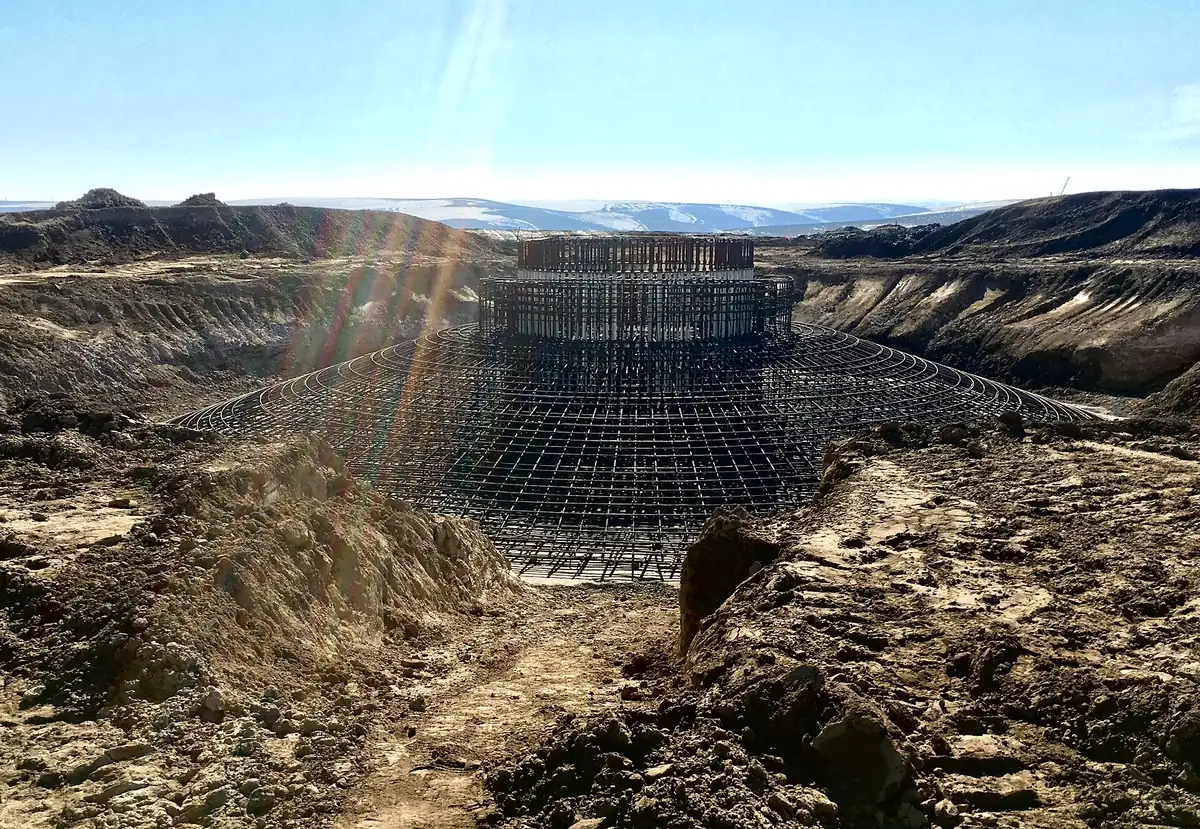
Big pours, far from town
A turbine foundation is a large reinforced base, cast in one pour, with a pedestal that the tower later bolts to. Both take a lot of concrete placed without a break, in a field that can be a long way from the batch plant.
These quotes are for wind EPC contractors and the concrete subcontractors who work for them. The operator needs the volumes and the schedule more than a pump model: the numbers decide how many pumps the job needs.
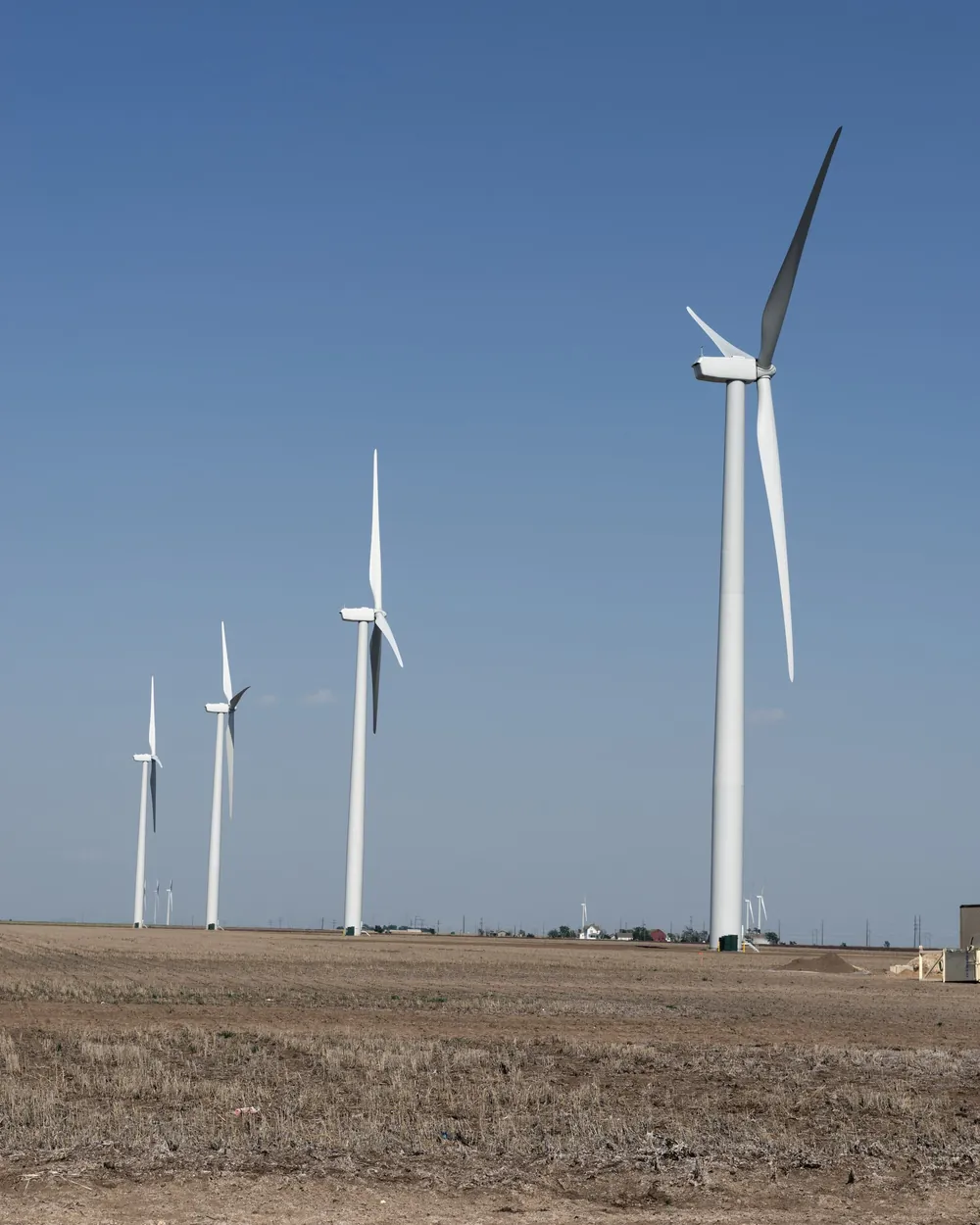
A benchmark from the Panhandle
The Majestic Wind Farm is a published example of the scale. On that job the concrete was placed with a telescopic belt conveyor, not a boom pump, so pumps are one of several ways to place concrete on a turbine foundation. It is not a job arranged through this site.
| General contractor | Mortenson |
|---|---|
| Concrete placed by | Brundage-Bone |
| Foundations and pedestals | 53 |
| Concrete | About 18,000 cubic yards |
| Per foundation | About 340 cubic yards (18,000 ÷ 53, our arithmetic) |
| Placing equipment | Putzmeister Telebelt TB 110 telescopic belt conveyor |
| Source | Wind Systems magazine, January 2010 |
What makes these pours different
- Each foundation needs a large volume placed continuously, so a gap between trucks matters more than it does on a slab.
- Pedestals are separate pours with their own forms, rebar and anchor bolts.
- Sites are remote, and mixers make long trips from the batch plant. Truck cycle time sets the pace.
- Field roads and pads have to carry loaded mixers and the pump or conveyor.
- The pour is planned around the plant, the trucks and the pump together, not the pump alone.
What the operator needs
A turbine pour is planned in advance. The more of this you send, the closer the first quote will be.
- Yards per foundationAnd per pedestal, if they are poured separately.
- Number of foundationsHow many in the job, and how many you plan to pour per week or per day.
- ScheduleStart date, target start time on pour days, and how firm the dates are.
- Site roads and padsSurface, width and turnaround for mixers, and firm ground for the pump’s setup.
- Plant locationWhich batch plant, how far, and how many trucks it can run.
- Pour rateThe yards per hour you need to keep a foundation continuous.
- Backup plansWhether you want a second pump on site in case one goes down.
- Site access rulesAny safety orientation, badging or access steps the project needs for the pump crew.
Permits and site rules
- Building permits, engineering sign-off and inspections for the foundation belong to the project and its engineer. Using a pump doesn’t change them.
- Texas 811 locates are for excavation. Whoever digs calls first; setting a pump on the surface is not digging.
- Ask the general contractor what the project requires from visiting crews, including safety orientation and site access, before pump day.
- Keep the boom well clear of overhead power lines. The operator decides the setup and can refuse a spot that’s too close.
- If your GC or owner requires a certificate of insurance on site, ask the operator for it when you book.
Wind foundation questions
Pump or telebelt: which places a turbine foundation?
Both can. A pump pushes concrete through a boom or pipe, and a telescopic belt conveyor carries it out on a belt; the Majestic job used the conveyor. Which suits yours depends on reach, volume and the project’s requirements. Say in your request what you want quoted, or ask for options.
Can one pump keep up with a foundation pour?
The operator sizes the pump against the pour rate you need. Continuous placing matters on a large foundation, so ask each operator whether a second pump is available as backup and what it adds to the quote.
Can you pump in high wind?
Wind limits come from the equipment maker, and the operator decides on the day. Longer booms are more affected, and wind farm sites are in open country. Ask about weather holds and rescheduling terms when you book.
What about site roads for the mixers?
Loaded mixers are heavy, and a soft or washed-out field road can stop a pour. Tell the operator what the haul road and pad surface are, where mixers turn around and wait, and where the pump can set up on firm ground.
Can several foundations be poured in a day?
That is a scheduling question for the operator, the batch plant and your crew. On the Majestic job each foundation averaged about 340 cubic yards, which is a large pour on its own. Yours may differ, so send your volumes.
Can pours start at night or early in the morning?
Large continuous pours often need long days. Give the operator your start time and the expected duration, and ask whether early starts or extended shifts are available and how they are priced.
Send the wind pour
The form is set to a wind turbine foundation. Add the site, yards per foundation, schedule and how many you’re pouring, and operators who cover the area reply with a quote.
We pass your request to independent local operators who quote you directly. We don’t own pumps or do the work.