Feedlot & dairy pours, Panhandle
Pads, bunk lines, alleys and equipment slabs on farms and feedyards, placed from one firm setup spot. Send the job once; local operators quote you directly.
We’re a quote-request service, not a pump company. Independent operators quote and book the work with you.
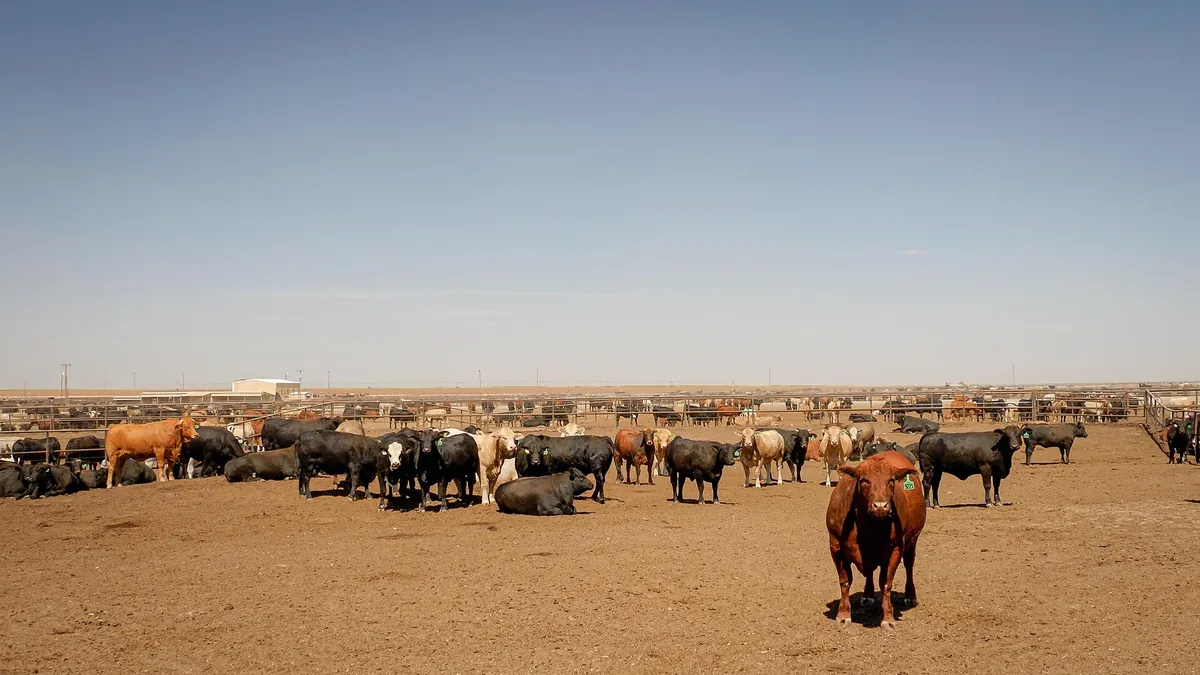
Concrete on the farm
Ag work is long, flat and often a long way from pavement. A pump lets the concrete go onto a pad or down a lane without a mixer driving across it.
The operator needs the length and width of the pour, how the mixers get in, and where the pump can stand on firm ground.
Jobs this covers
- Pen aprons and pads
- Feed bunk lines
- Alleys and lanes
- Equipment and fuel pads
- Slabs at grain sites
Why pump on an ag site
Three reasons come up again and again on farm and feedyard jobs.
- Soft groundMixers are heavy. Soft pens and fresh fill can bog a loaded truck, while a pump stays on one firm spot.
- Long reachA boom can carry concrete across a wide pad from where the truck parks. For a narrow lane, hose can go where the truck can’t.
- Fewer truck passesFewer mixers crossing the site means less disturbance for animals and for the ground you’re about to pour on.
Prepare the site
Most trouble on ag pours is access, ground and animals, not the pump.
- A firm setup spotLevel and dry enough for the pump and its outriggers. Soft or freshly worked ground is the main concern.
- A mixer routeCaliche or gravel the loaded trucks can drive on, with somewhere to turn and wait. Check for soft spots after rain.
- Animals and equipment clearEmpty the pens you’re pouring and the ones next to the route, close the gates and move equipment out of the way.
- Forms and jointsKnow how the pad is divided into sections, so the operator knows when to move.
- A pumpable mixTell the batch plant the concrete is being pumped, and the operator can say what the pump needs.
- A washout spotAway from water, drainage and wells, agreed with the landowner or manager before the day.
- Gates and accessWho opens them, and the route from the road, including any narrow gates or cattle guards.
- Yards and start timeA realistic yardage and the first truck’s arrival, so the pump is ready when it gets there.
Permits and site rules
- Building permits and inspections for the work belong to the project. Using a pump doesn’t change them.
- Ask the property owner or manager about farm roads, gates, cattle guards, and weight limits on bridges or culverts before the first mixer arrives.
- Feedyards and dairies may have their own access or biosecurity rules for visiting trucks. Ask the manager what applies.
- Texas 811 locates are for excavation. If anything still needs digging, whoever digs calls first; setting a pump on the surface is not digging.
- If your owner or lender requires a certificate of insurance on site, ask the operator for it when you book.
Feedlot and dairy questions
Can the pump set up in a field or pasture?
Often, if the spot is firm and level enough for the pump and its outriggers. Choose “Open field or pasture” for site access on the form, say whether it has rained recently, and send a photo of the setup spot if you can.
How are long pads poured?
Usually in sections between joints, so the pump moves or its hose is extended between sections. Tell the operator the total length and how your plan divides the pad.
Boom or line pump for bunk lines?
A boom is quick over long, straight runs when the truck can park alongside. A line pump suits narrow lanes or spots the truck can’t reach. If you’re unsure, choose “Not sure, help me choose” on the form.
Where does the pump wash out on a farm?
Agree it before the day. The pump and the mixers need a spot away from water, drainage and wells, and the landowner or manager should decide where.
How do we schedule around animals?
Tell the operator which pens will be empty, when, and who opens the gates. Animal movements can set the start time more than the pump does.
Will an operator travel to a rural site?
Operators who cover the area often will, and the trip may show up as a travel line in the quote. Name the nearest town and the road in on the form so the operator can judge the distance.
Send the ag pour
The form is set to a feedlot, dairy or ag pad. Add the nearest town, yards, pad length and how the mixers get in, and operators who cover the area reply with a quote.
We pass your request to independent local operators who quote you directly. We don’t own pumps or do the work.